La revolución en la tecnología educativa gracias a la inteligencia artificial

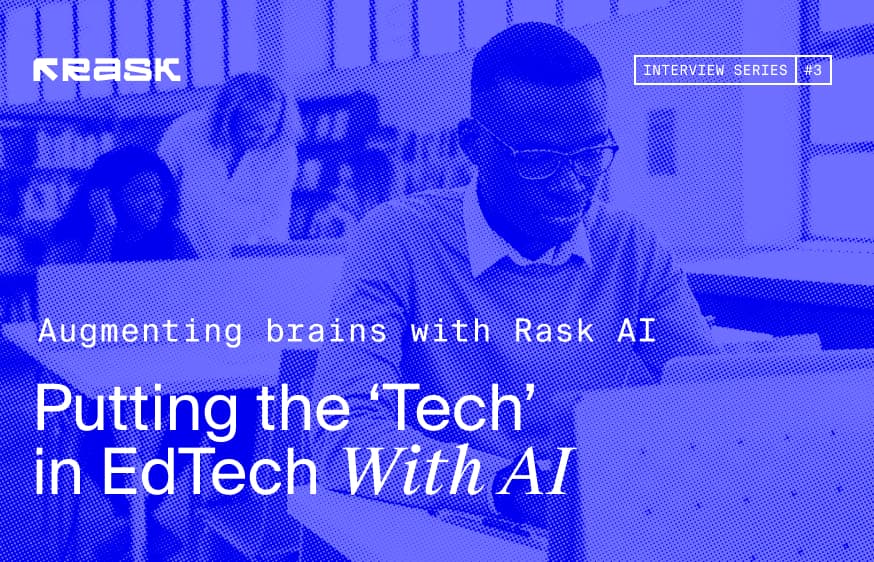
La industria de la tecnología educativa (EdTech) está atravesando su etapa de mayor evolución en décadas. El avance imparable de la tecnología, en particular de la inteligencia artificial (IA), impulsa estos avances. La IA se está incorporando a casi todos los sectores profesionales, desde la salud hasta las finanzas, transformando la forma en que vivimos y trabajamos.
La inteligencia artificial está a punto de redefinir el entorno educativo al personalizar las experiencias de aprendizaje, democratizar el acceso a la información y gestionar el conocimiento como nunca antes.
María Chmir, directora ejecutiva y fundadora de Rask AIBrask, y Gerd Leonhard, fundador del Good Future Project Gerd Leonhard, futurista y director ejecutivo de The Futures Agency, hablaron recientemente sobre la IA en este ámbito. A continuación te contamos cómo esta tecnología está facilitando que todos puedan disfrutar de la educación de la manera que más les convenga.
El concepto de aprendizaje holístico
Tradicionalmente, este enfoque educativo hace hincapié en el desarrollo integral de la persona. Incorpora todos los aspectos relacionados con el intelecto, la intuición y el bienestar físico, psicológico y espiritual.



En la práctica, va más allá de la memorización mecánica de datos para fomentar el pensamiento crítico, la resolución de problemas y la creatividad. Sin embargo, integrar un enfoque holístico en el aprendizaje cotidiano ha estado lejos de ser la norma en los entornos educativos formales.
La IA está cambiando las reglas del juego.
Dar a las personas la oportunidad de aprender
Gracias a su capacidad para procesar grandes cantidades de datos, las plataformas de inteligencia artificial pueden evaluar la experiencia de aprendizaje completa de un estudiante, no solo sus calificaciones en los exámenes estandarizados.
Esta tecnología permite a los educadores adaptar los planes de clase basándose en un profundo conocimiento de las necesidades, preferencias y desempeño de cada alumno, lo que genera una experiencia de aprendizaje más personalizada.
Las herramientas basadas en inteligencia artificial pueden crear entornos virtuales que permiten a los estudiantes experimentar la información que están aprendiendo, en lugar de solo leerla.
Por ejemplo, los estudiantes de medicina pueden simular cirugías, y los de historia pueden visitar civilizaciones antiguas a través de experiencias de realidad virtual (RV). Estas simulaciones ofrecen un entorno de aprendizaje inmersivo que atrae los sentidos de los estudiantes y se adapta a sus diferentes estilos de aprendizaje.
El papel de la IA en la gestión del conocimiento
Para Gerd, este es un punto fuerte muy importante. «A mucha gente le cuesta gestionar el conocimiento: volver a encontrarlo, etiquetarlo, organizarlo, resumirlo. Y estas son habilidades que necesito en mi trabajo como futurista. Y si eres director general de una empresa, o político, o te mueves en un entorno complejo, tienes que ser bueno en la gestión del conocimiento. Y la IA realmente puede ayudar con eso».
El mundo puede ser un lugar que da miedo para los jóvenes y los adultos que recién inician su vida adulta. Necesitan las habilidades necesarias para gestionar y transmitir conocimientos de manera eficaz. Las herramientas de inteligencia artificial ayudan a organizar la información, desglosar temas complejos y presentarlos a los estudiantes en formatos fáciles de asimilar.
Analicémoslo un poco más a fondo
La gestión del conocimiento es el proceso sistemático de buscar, seleccionar, organizar, sintetizar y presentar información.
La educación moderna se caracteriza por un torrente de datos y conocimientos complejos que se les presenta a las personas de golpe. Esto no favorece la asimilación de la información, y ya es hora de cambiar las reglas del juego.
La ventaja de la IA
La inteligencia artificial se destaca en el manejo de los enormes conjuntos de datos que se encuentran en los materiales de aprendizaje actuales. Los algoritmos de aprendizaje automático pueden identificar patrones y relaciones en los datos que un ser humano podría pasar por alto, y crear una jerarquía de objetivos de aprendizaje que represente mejor la interconexión entre los diferentes temas.
Hacer realidad la disrupción
La inteligencia artificial se está perfilando como el antídoto contra estas fallas sistémicas al ofrecer un nuevo paradigma de aprendizaje a la medida y personalizado.
El sistema educativo tradicional suele centrarse en transmitir información en un formato estandarizado, con poco espacio para la investigación o la exploración individual. Este enfoque frena la creatividad y las habilidades para resolver problemas, dando prioridad al rendimiento en los exámenes.
La respuesta de la IA a las deficiencias del sistema educativo
La inteligencia artificial ofrece una experiencia de aprendizaje verdaderamente a la medida y personalizada. Las plataformas de aprendizaje en línea aprovechan la inteligencia artificial para crear itinerarios de aprendizaje personalizados para sus estudiantes, lo que les permite explorar los temas a su propio ritmo y en profundidad.
El futuro de la IA en la educación
La integración de la inteligencia artificial en la educación marca el inicio de un cambio radical que nos lleva de los paradigmas tradicionales de aprendizaje hacia un futuro en el que la educación será personalizada, interactiva y estará profundamente integrada con la tecnología.
Su capacidad para adaptar las experiencias educativas a cada alumno, potenciar el aprendizaje inmersivo a través de la realidad virtual y optimizar la gestión del conocimiento pone de relieve su potencial para democratizar y revolucionar la educación.
El futuro de la inteligencia artificial en la tecnología educativa promete un panorama en el que las aulas físicas o los planes de estudio tradicionales no limiten el aprendizaje. Ahora se convierte en un viaje amplio, adaptable y continuo.
El reto que tenemos por delante consiste en hacer que los beneficios de la IA en la educación sean accesibles para todos. Así es como realmente transformará y enriquecerá el ecosistema educativo.











Rask%20Lens%20A%20Recap%204.webp)